

How To Open Windows Powershell From Command Prompt
The Command Prompt is a command-line interpreter that helps automate tasks, perform administrative functions, and troubleshoot system problems. To run this tool, yous simply need to enter the correct commands.
Similarly, PowerShell is also a command-line interpreter that helps you lot manage and automate tasks. In almost cases, yous can utilize the Command Prompt and PowerShell to perform the same tasks.
If yous're wondering how yous can open these tools, nosotros'll help you out. This article covers the 9 ways to open the Command Prompt and PowerShell.
The Quick Admission bill of fare offers an incredibly easy style for opening various Windows features. To access the Command Prompt or PowerShell using this tool, here'southward what you can exercise:
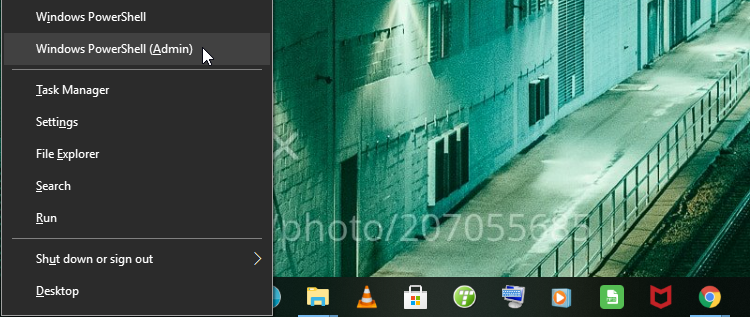
- Printing Win + X to open the Quick Access menu.
- Click Command Prompt or Command Prompt (Admin) from the options. Depending on your Windows version, you may also see the Windows PowerShell and Windows PowerShell (Admin) options.
Need a quick manner to open Windows apps? Then try the Start Bill of fare search bar.
Here's how y'all can open the Command Prompt or PowerShell using the search bar:
- Click the Outset Menu search bar icon and type either Command Prompt or PowerShell.
- Select the All-time match option from the results.
3. Use the Run Command Dialog Box
The Run command dialog box is 1 of the best tools y'all can use to quickly access your Windows apps.
Here'southward how you lot tin can open the Command Prompt via the Run command dialog box:
- Press Win + R to open the Run control dialog box.
- Type CMD and click OK to open the Command Prompt.
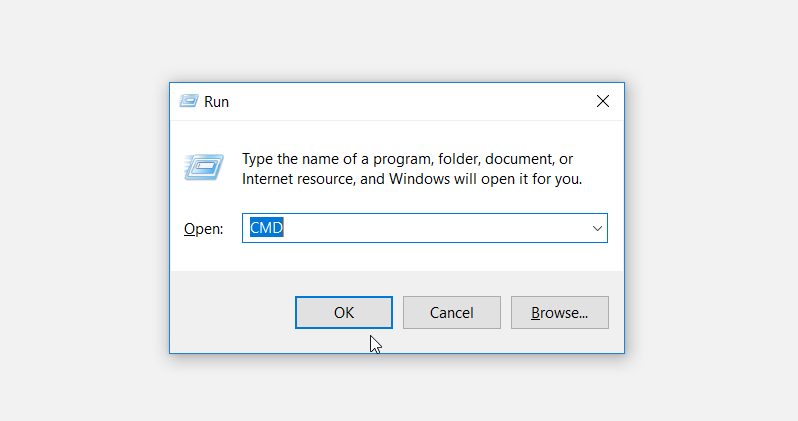
To open PowerShell using the Run Command dialog box, here's what you can do:
- Press Win + R to open the Run command dialog box.
- Type PowerShell and then click OK.
To open up the Command Prompt or PowerShell with ambassador privileges, here's what you can do:
- Open the Run command dialog box every bit per the previous steps.
- Type either CMD or PowerShell in the search box.
- Press Ctrl + Shift + Enter to open either the Command Prompt or PowerShell with ambassador privileges.
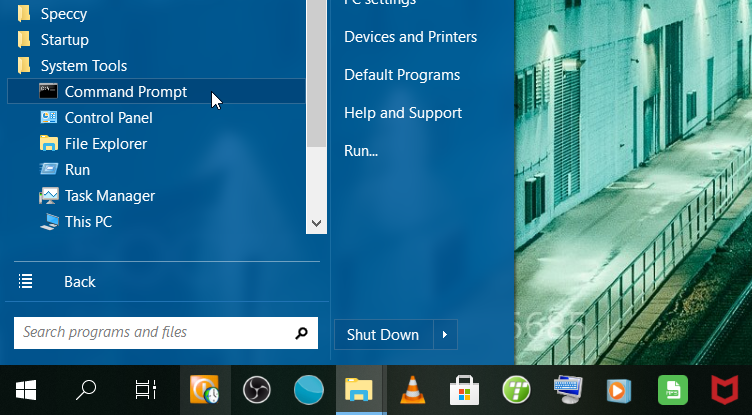
You can access almost Windows software programs using the Beginning carte search bar. To admission either the Command Prompt or PowerShell with this tool, hither's what you tin practise:
- Click the Windows icon on your screen or press the Windows key.
- Select All Programs and expand the Organization Tools folder.
- Click the Command Prompt or PowerShell from the options. To open each tool with authoritative privileges, right-click on the specific app and cull Run as ambassador.
5. Apply File Explorer's Accost Bar
File Explorer's accost bar makes it easy to locate your file path. But did you know that you lot can launch various Windows tools using File Explorer'southward accost bar?
Here'southward how y'all tin open the Command Prompt via File Explorer:
- Press Win + Eastward to open File Explorer.
- Blazon CMD in the address bar and printing Enter to open the Command Prompt.
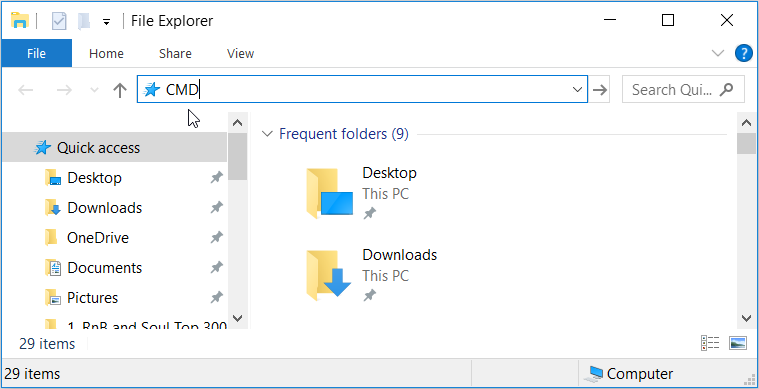
To open PowerShell using File Explorer, here'southward what you lot can exercise:
- Printing Win + E to open File Explorer.
- Type Powershell in the address bar and press Enter.
half-dozen. Apply the Command Prompt's or PowerShell'south Executable File
You can also access the Command Prompt or PowerShell by using their executable (EXE) files. Here's how:
- Type This PC in the Start Menu search bar and select the Best match.
- Click the Local Deejay (C:) on the right-hand side and navigate to Windows > System32.
- Scroll downwardly and select the cmd.exe or powershell.exe file.
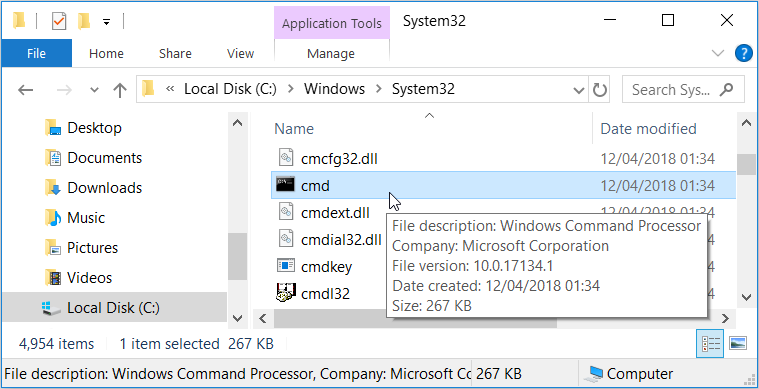
To run each tool with administrator privileges, correct-click on the tool and select Run as administrator.
7. Use the Task Manager
Y'all can always rely on the Task Managing director for monitoring arrangement performance. Just that'due south not all—the Task Manager tin can likewise aid you launch the Command Prompt or PowerShell.
Here's how you tin open the Command Prompt using the Job Director:
- Press Ctrl + Shift + Esc to open the Chore Manager.
- Click the File tab on the meridian-left corner and select Run new task.
- In the next window, type CMD and click OK to open the Command prompt.
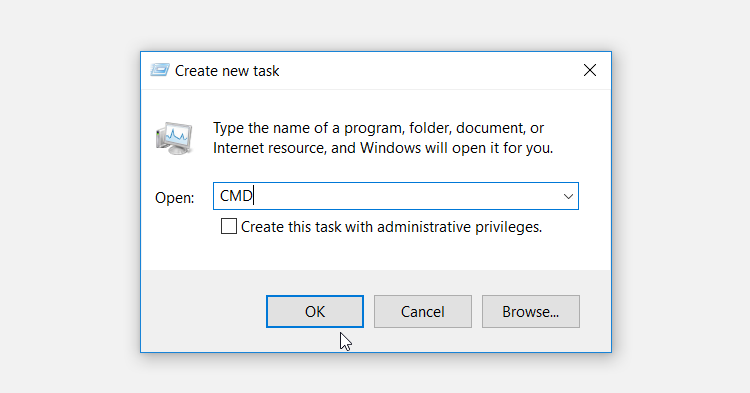
To access PowerShell via the Task Manager, here'south what you need to do:
- Press Ctrl + Shift + Esc to open the Task Manager.
- Click the File tab on the tiptop-left corner and select Run new task.
- In the next window, type Powershell and click OK to open up the Command prompt.
You tin also open the Command Prompt or PowerShell using a folder'south context menu. Here's how:
- Press Win + East to open File Explorer.
- Printing Shift then right-click on any binder.
- Select either Open PowerShell window here or Open the Command Prompt window here from the options.
9. Create a Command Prompt/PowerShell Desktop Shortcut
If you lot like using shortcuts, so you can create ones for the Command Prompt and PowerShell. This will aid you access these tools with just a single mouse click!
To become started, hither'south how yous can create a shortcut for the Command Prompt:
- Printing Win + D to head straight to the Desktop.
- Right-click on a blank space on the Desktop, select New from the context menu, and so select Shortcut.
- Type C:\Windows\System32\cmd.exe in the location box. Click Next to continue.
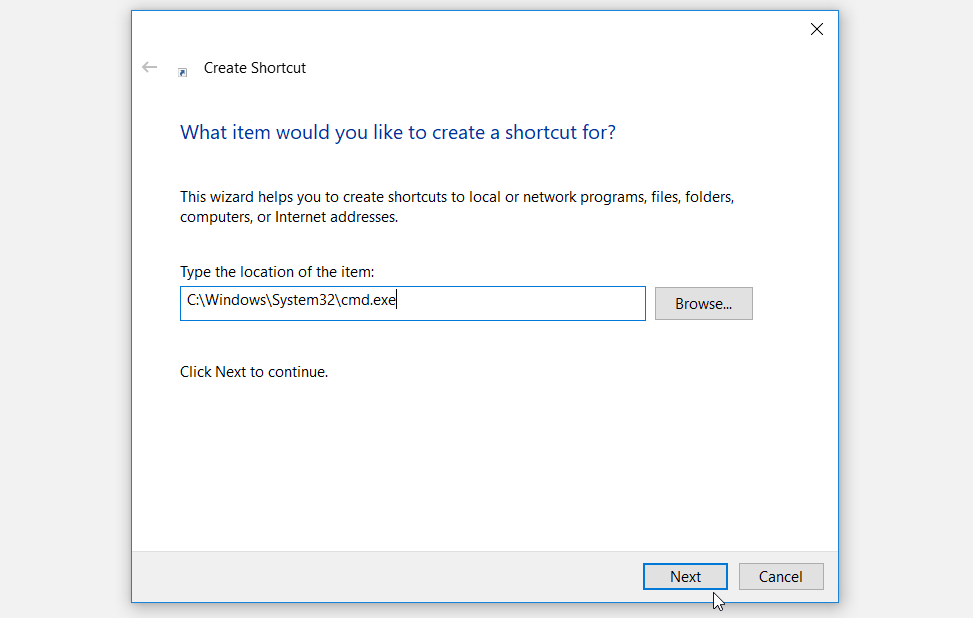
In the next window, type a suitable name for this shortcut. You can rename it equally Command Prompt shortcut or annihilation similar. Click Finish to finalize the process.
To pin this shortcut to the taskbar, right-click on it and select Pin to taskbar.
Now, here's how you tin create a shortcut for PowerShell:
- Navigate to the Desktop as per the previous steps.
- Right-click on a bare space on the Desktop, select New, and then select Shortcut.
- Type C:\Windows\System32\powershell.exe in the location box. Click Next to go along.
- In the next window, blazon a suitable name such as PowerShell shortcut or anything similar. Click Finish to complete the process.
Finally, pivot the shortcut to the taskbar equally per the previous steps. At present, you tin can easily access the Command Prompt or PowerShell by clicking their icons on the taskbar.
Manage and Automate Tasks With the Control Prompt/PowerShell
The Command Prompt and PowerShell brand it quite easy to automate tasks or troubleshoot Windows bug. If you demand tips on how you can admission these tools, check out the methods nosotros've covered.
Source: https://www.makeuseof.com/windows-open-command-prompt-powershell/
Posted by: maydins1939.blogspot.com
0 Response to "How To Open Windows Powershell From Command Prompt"
Post a Comment